
What Will Junk Removal Not Take in Clearwater?
Junk removal crews will haul almost anything bulky. The few things they won't take are the ones Florida garages are full of. Here's what junk removal will not take, why, and where those items go instead.
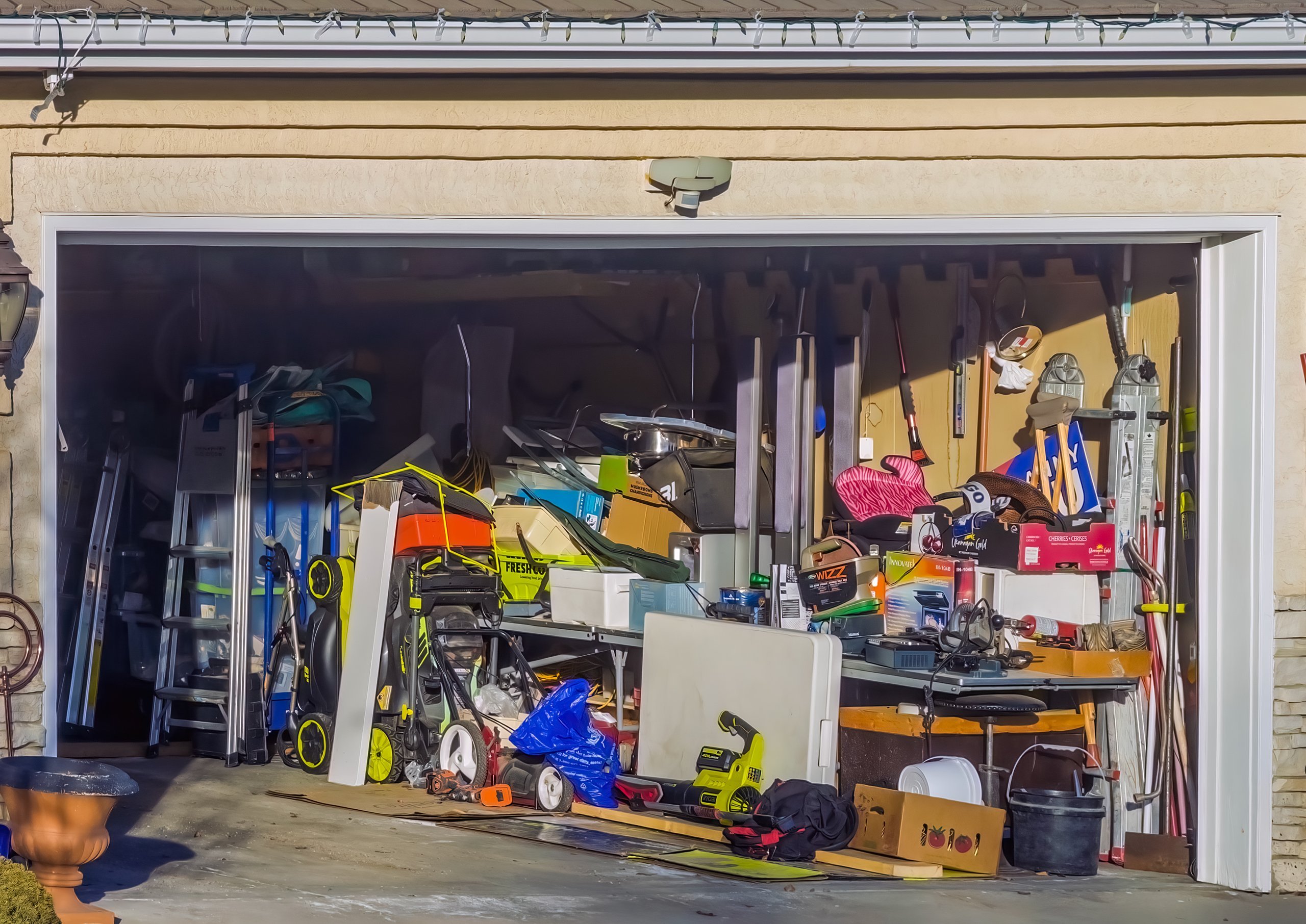
Picture a Pinellas garage on haul day. The homeowner spent Saturday building one big pile: the old sofa, the broken treadmill, and also the grill's propane tank, half-empty paint cans, a bucket of pool chlorine tablets and the hurricane gas can. The truck backs in, the crew loads the furniture, and the hazardous stuff stays right where it was. The garage still isn't empty, and the house is still on the market with a shelf of chemicals.
The short answer: what junk removal will not take
Most junk removal companies, Pinellas haulers included, won't load hazardous materials. That covers wet or oil-based paint and solvents, pool and garden chemicals, pesticides, fuels, propane tanks, motor oil and antifreeze, car batteries and loose lithium-ion battery packs, anything that might contain asbestos, medical waste and sharps, biohazards, and ammunition or fireworks.
Almost everything else is fair game, including the things that actually fill a house: furniture, mattresses, appliances, garage clutter, estate contents, yard and storm debris, renovation debris and old office furniture. Those are exactly the jobs Clearhaul Pro does every week.
The details vary by company and sometimes by item, so the honest rule is this: if it's flammable, corrosive, toxic, pressurized or medical, set it aside and call to confirm. Everything else, just point at.
The hard-no list: what junk removal will not take, and why
Every item on this list is there for a practical reason. A junk removal truck takes its load to disposal facilities, and those facilities have rules about what they'll accept. One leaking jug in a load of furniture puts the crew, the truck and everything else on board at risk. Here are the items Florida homes tend to have.
Paint, stains and solvents
Leftover paint from the last repaint is the most common item on a Pinellas garage shelf. Oil-based paints, stains, varnishes, thinners and solvents count as hazardous. Liquid latex paint is often refused too, because it spills and soaks into everything around it. Fully dried latex paint is sometimes handled differently, so if you have a few nearly empty cans, ask.
Pool and spa chemicals
This one is very Florida. Chlorine tablets, shock, muriatic acid and pH adjusters are corrosive, and some of them react violently with each other. Don't pour half-used buckets together to save shelf space, and keep them all off the junk pile.
Fuel, propane and anything pressurized
Gas cans, the generator's fuel and gas left in a lawn mower are fire hazards in a loaded truck. The same goes for propane tanks from grills and patio heaters, and for other pressurized cylinders. Hurricane season leaves a lot of these sitting in garages. If you're getting rid of a mower or generator, ask before the crew arrives if it needs to be drained first.
Batteries and automotive fluids
Motor oil, antifreeze, brake fluid and car batteries are hazardous waste, so they stay out of a general junk load. Lithium-ion packs deserve the same caution. The batteries from e-bikes, scooters and cordless tools can catch fire if they get crushed or punctured under a load of furniture. Pull them out of the pile, tape over the terminals, and take them to a battery drop-off instead.
Pesticides, herbicides and household chemicals
That covers lawn treatments, bug sprays, rodent bait, drain cleaners and the mystery bottles with faded labels under the sink. No label, no guessing: if you can't identify it, handle it like a hazardous item.
Asbestos
Older Pinellas homes can contain asbestos in materials like some popcorn ceilings, old floor tiles and pipe insulation. If renovation debris might contain asbestos, it needs testing and, if it comes back positive, a licensed abatement contractor. A general hauler shouldn't be loading it.
Medical waste, sharps and biohazards
Needles, used medical supplies and anything with bodily fluids need specialist handling. This comes up most in hoarder and estate situations, which we'll come back to below.
Ammunition, fireworks and explosives
These never go in a truck. Contact local law enforcement through the non-emergency line for guidance on safe disposal.
The gray zone: items that depend on the hauler (just ask)
Some items aren't hazardous but do come with conditions. The answer can depend on the company, the condition of the item, or how much of it there is.
- Tires. Many haulers accept them but handle them separately. Ask when you get your quote.
- TVs, computers and electronics. These are often accepted but disposed of differently from furniture. Mention them in your photo.
- Mowers, pressure washers and generators. The machine is usually fine. Whatever fuel or oil is still inside it is the problem.
- Heavy materials in bulk. Concrete, tile and dirt are heavy for how little space they take up. Clearhaul Pro lists concrete and tile under construction debris. Describe the quantity honestly so the quote is accurate.
- Hoarder cleanouts. Clearing the volume is junk removal. Biohazard cleanup isn't. If the space includes bodily fluids, pests or medical waste, a specialist cleaner may need to go in first.
- Very heavy specialty items like pianos or safes. Call and describe it before you assume either way.
After a storm or a remodel: what junk removal will take
Fall in Pinellas often means storm cleanup, a remodel, or both. The good news is that most of that mess is exactly what a junk removal truck is built for. Branches, palm fronds and brush, waterlogged furniture and carpet, drywall, lumber, tile and old cabinets can all be loaded and hauled in one visit.
The hazardous items are the ones that sneak in. After a storm, that's the generator's leftover fuel, a tipped-over pool chemical bucket, or paint cans from a flooded garage shelf. During a remodel, it's the solvents, adhesives and any material that might contain asbestos. Keep those out of the debris pile and the rest can go. If the county is running curbside storm-debris collection after a major storm, follow its sorting rules. For anything you want gone sooner, text a photo for a quote.
What Clearhaul Pro does take: the long list
This is what fills our truck week after week across Clearwater and Pinellas County:
- Furniture: couches, sectionals, mattresses, dining tables, desks and dressers. We do all the carrying and watch the corners on the way out.
- Appliances: refrigerators, chest freezers, washers, dryers and other big units.
- Garage cleanouts: stacked boxes, broken tools, old shelving and everything you were saving for "someday." Show us what stays, and the rest goes in one trip.
- Estate cleanouts: one bedroom or a full house, handled carefully and without dragging it out.
- Yard and storm debris: downed limbs, palm fronds, brush and whatever the last storm left behind.
- Construction and renovation debris: drywall scraps, old lumber, broken tile, concrete chunks and general remodel waste.
- Commercial hauling: desks and cubicles, store fixtures, surplus warehouse stock and build-out leftovers.
- Single items: one sofa, one washer or one stack of boxes, priced as a small load instead of a full truck.
You'll find the full rundown of every service at https://www.clearhaul.pro/services.
Where the hard-no items go instead in Pinellas County
Setting hazardous items aside is only half the job. They still have to go somewhere. Programs and locations change, so check current details before you load up the car. The usual routes are:
- Household chemicals, paint and pool chemicals: Pinellas County runs a household hazardous waste drop-off for residents. Check the county's solid waste website for the current location, hours and accepted items.
- Propane tanks: many propane dealers and tank-exchange retailers will take back or exchange grill cylinders.
- Motor oil and car batteries: many auto parts stores accept used motor oil and lead-acid batteries. Call your nearest one first.
- Lithium-ion and household batteries: many home improvement and electronics stores have battery drop-off bins, and the county's hazardous waste site is another option.
- Medications and sharps: ask your pharmacy about take-back options, or check the county's guidance.
- Suspected asbestos: call a licensed testing and abatement contractor before any demolition starts.
- Ammunition and fireworks: call the local law enforcement non-emergency line.
None of these take long once you know where to go. Doing them first means the haul day goes smoothly.
A Dunedin estate cleanout, room by room
Picture an adult daughter clearing out her late father's house in Dunedin. She lives out of state, the realtor wants the house listed, and she has one long weekend.
The living room and bedrooms are easy: furniture, mattresses, closets of clothes, a dining set no one in the family wants. The kitchen is mostly appliances and boxes. The garage is where it gets tricky. One wall of shelving holds forty years of a Florida homeowner's supplies, including paint from three repaints, a jug of muriatic acid from the pool, pesticides, two propane tanks and a gas can.
So she does it in order. First she walks every room and puts sticky notes on whatever stays: family photos, documents and a few pieces of furniture. She checks every drawer, because in an estate, important papers turn up in odd places. She clears the garage shelf of chemicals and fuel into a separate corner, away from the haul pile, and adds the county drop-off to her to-do list. Then she texts photos of each room to (727) 337-6847, gets a firm volume-based quote, and books the crew.
On haul day she points and the crew loads. The chemicals stay in their corner, which is the plan, not a surprise. The house is ready for the realtor's photographer, and the only loose end is one trip to the county drop-off she had already planned.
Estates are emotional work. Splitting the job into "set aside," "keep" and "haul" turns one overwhelming weekend into a list she can actually get through.
Before the truck arrives: a checklist
Run through this the day before. It makes for a faster crew, a more accurate quote and no surprises in your driveway.
Sort
- Pull out anything flammable, corrosive, toxic, pressurized or medical and put it in its own corner, well away from the haul pile.
- Mark what stays with tape or sticky notes. In an estate or a rental, label it clearly.
- Check every drawer, pocket and box for documents, keys, cash and photos before it goes on the truck.
- Ask in advance if mowers, generators and pressure washers need to be drained of fuel and oil.
Prep appliances
- Empty and defrost fridges and freezers.
- Ask if the appliance needs to be disconnected before the crew arrives. If it's already unhooked, the crew will haul it out from wherever it's standing.
Clear the path
- Make sure there's a clear route from the pile to the driveway. Move cars so the truck can get close.
- If you live in a condo or HOA community, check for rules about trucks, loading zones or hours.
- Pets inside, kids supervised.
Get the quote right
- Text clear, wide photos of everything that's going, from more than one angle. Volume is what's being priced.
- Mention anything heavy or unusual, like concrete, a hot tub, a piano or a safe.
- Tell us about stairs, long carries or tight hallways.
Be there (if you can)
- If possible, be home when the crew arrives so you can walk them through what goes. If you can't, leave written notes and label everything. Smaller jobs with a clear scope can often be done while you're away, so ask when you book.
How the quote works when some items stay behind
Clearhaul Pro prices by volume: how much room your load fills in the truck. Single items start at $65, and a full truckload runs about $750–$850+. The quote is all-inclusive, covering labor, loading, the drive and responsible disposal, and the firm figure you're quoted is what you'll pay.
That's another reason to set hazardous items aside before you text the photo. Your quote then reflects only what's actually going on the truck, and the crew doesn't have to sort around paint cans in the middle of a job.
For realtors, landlords and families: why the sorting matters more
Realtors run on listing dates. A garage that's almost cleared but still has a shelf of chemicals still looks bad in the listing photos. Send your sellers this list early.
Landlords and property managers often inherit what tenants leave behind, and the leftovers are often cleaning chemicals, paint and the odd propane tank. Do a walk-through and pull those items out before the haul.
Families handling an estate are often dealing with decades of supplies. Setting the chemicals aside first lets you hand off the rest with confidence.
Junk removal questions Clearwater homeowners ask
Will you take an old refrigerator or freezer?
Yes. Fridges, freezers, washers and dryers are part of our appliance hauling service. Empty them first, and ask if the unit should be disconnected before we arrive.
Will you take a mattress?
Yes. Mattresses come under furniture removal.
Will you take a hot tub?
Hot tub removal is a large job and falls in our large-trailer range. Text a photo for a quote.
Will you take paint?
Liquid paint and anything oil-based are a no for most junk haulers. Cans of fully dried latex can be a different story, so ask. Liquid leftovers belong at the county's household hazardous waste drop-off.
Do junk removal companies take TVs and electronics?
Most haulers accept TVs, monitors and computers, though they're routed separately from furniture. Include them in your photo and we'll confirm when we quote.
Will you take tires?
Tires are a gray-zone item for most haulers. Tell us how many you have and whether they're still on rims, and we'll confirm with your quote.
Do you take yard waste?
Yes. Branches, palm fronds, brush and storm debris are a regular part of our work. Mention roughly how much there is so the quote matches the load.
Will you take boxes, clothes and household clutter?
Yes. Boxes, clothes, books and everyday clutter are what most garage and estate cleanouts are made of. Check pockets and boxes for papers and valuables first.
How fast can you come?
Call before noon and we'll aim to have a truck there the same day, depending on the schedule. Hours are Monday to Saturday, 7am to 7pm.